FAQ
Pet kittens start at $2,300.
Our pricing reflects the quality of our European bloodlines, the careful planning behind every breeding, comprehensive health testing of our breeding cats, veterinary care, vaccinations, microchipping, registration, premium nutrition, and the considerable time we invest in raising and socializing every kitten.
What Goes Into Our Breeding Program
Responsible breeding involves much more than producing a litter of kittens.
Our breeding cats are carefully selected for pedigree, health history, temperament, structure, and genetic diversity. We invest significantly in acquiring exceptional breeding cats from established European bloodlines and carefully study pedigrees when planning each pairing.
We carefully study pedigrees and genetic diversity when selecting breeding pairs, with the goal of producing healthy, robust Maine Coons with strong immune systems, excellent temperaments, and the potential for long, healthy lives.
Our kittens are raised underfoot in our home, never caged, and are handled and socialized from an early age. They receive high-quality nutrition, appropriate veterinary care, vaccinations, and microchipping before joining their new families.
We believe the value of a kitten begins long before the kitten is born.
Payment Terms
A deposit is required to reserve a kitten. The deposit amount is determined individually and agreed upon at the time of reservation and is applied toward the kitten's final purchase price.
The remaining balance must be paid in full before or at the time of pickup.
We do not offer payment plans, installments, or financing. A kitten cannot leave our care until the purchase price has been paid in full.
Accepted payment methods: Cash, Zelle, and Venmo.
Purchase Agreement
Every kitten is placed with a written Purchase Contract/Agreement outlining the responsibilities of both the breeder and the new owner, as well as the terms of our health guarantee.
We believe you should know exactly what you are agreeing to before making a commitment. A copy of our contract is available by email upon request before you place a deposit.
The Purchase Agreement must be signed before the kitten leaves our care.
Breeder & Show Kittens
Pricing for show-quality kittens and kittens offered with breeding rights is determined individually on a case-by-case basis.
Breeding rights are available only to approved, established breeding programs and are not offered to the general public.
Right to Refuse or Cancel a Sale
Everythingcoon Maine Coon Cattery reserves the right to refuse or cancel the placement of a kitten at any time if we believe the placement is not in the best interest of the kitten.
If we cancel a sale after accepting a deposit, the deposit will be refunded.
The welfare of our cats and kittens will always come before a sale.
No. All deposits are non-refundable.
A deposit is a commitment to reserve a specific kitten and remove that kitten from the available market for other prospective families. It compensates us for the time and opportunities lost while the kitten is being held.
If your circumstances change, the deposit may be transferable to another available kitten, subject to our approval and availability. However, a deposit cannot be refunded.
Non-refundable does not mean non-transferable. The deposit may be transferred, but it is not refundable.
From time to time, we retire an adult from our breeding program. When a retired cat will not remain with us permanently, we may make that cat available to an approved home.
Our retired/ adult cats are never placed for free or at a “cheap” rehoming fee.
When we decide to place an adult, it does not mean that the cat has lost value. These are purebred, carefully selected Maine Coons who have received years of excellent care, veterinary attention, quality nutrition, and, most importantly, love.
We place an adult because we believe a different home may be the best next chapter for that particular cat — and we look for families who understand and appreciate what they are receiving.
If you're looking for a free or very inexpensive companion, we sincerely encourage you to consider a local shelter or rescue, where many wonderful cats are waiting for homes.
Adult doesn't mean unwanted. And it certainly doesn't mean free.
If you are interested in providing a home for one of our retired adults, please contact us directly.
Payments Accepted: Cash, Zelle, and Venmo only. PayPal, checks, and credit cards are not accepted.
All electronic payments must be sent as a personal payment (“Friends & Family”), not as a purchase of goods or merchandise. Animals are living beings — someone, not something — and we do not treat our kittens as products or merchandise.
Getting Ready for Your Kitten: Must-Haves
Welcoming a new kitten—especially a purebred like a Maine Coon — means making sure they feel safe and comfortable from day one. Here's what you'll want to have ready before they arrive:
Carrier
A sturdy carrier is a must for vet visits, travel, or even just moving around. Maine Coons grow fast and are stronger than they look, so choose a hard plastic carrier with secure locks or a durable fabric one with strong mesh (avoid plastic mesh—it can tear easily). Always use a carrier to keep your kitten safe and avoid stressful escapes.
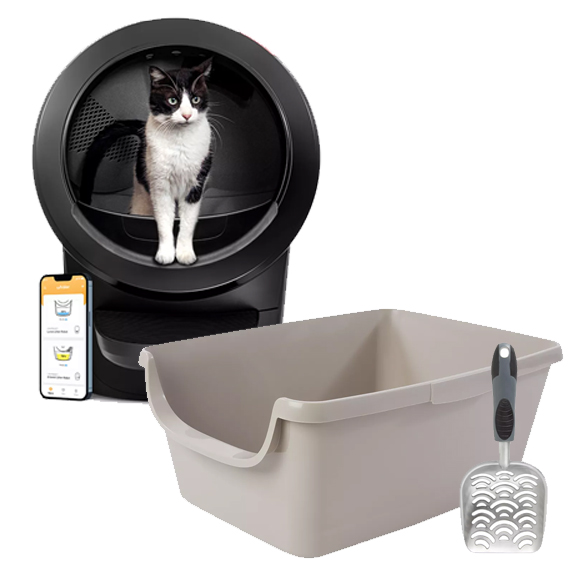
Litter Box
Go for a jumbo-sized tray right away—Maine Coons need the space. A scoop is essential, or you can opt for a robot litter box if you want less cleanup.
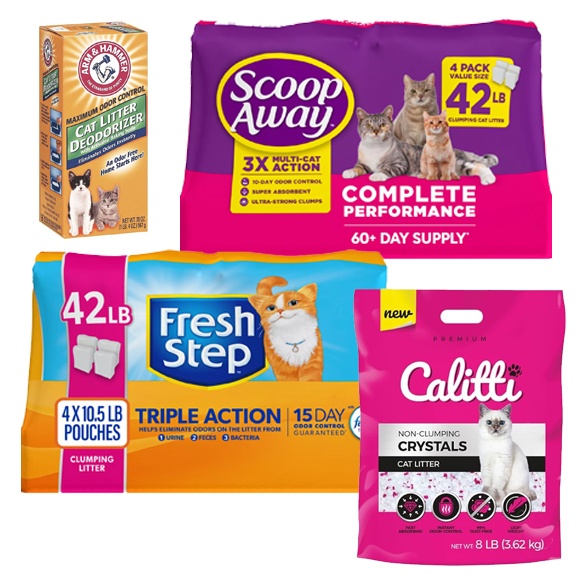
Litter
We recommend specific soft, fine-grain litters (We use Fresh Step® and Scoop Away). If you switch brands, just make sure the texture is gentle and not sharp.
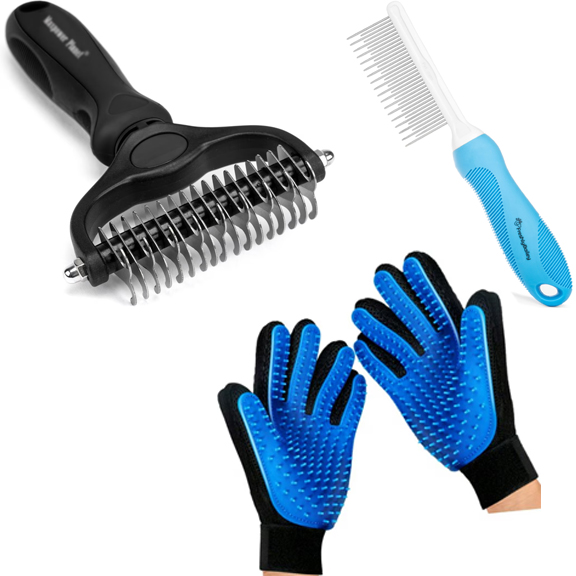
Grooming Tools
Skip the slicker brushes—they damage the undercoat. Choose brushes made for long-haired cats (see examples here) and get a rubber grooming glove too. It’s super handy during shedding.
Bed or Sleeping Spot
Avoid foam houses—they’re too hot and stuffy. A soft fabric basket with sides works great, or you can DIY a cozy “nest” from a cardboard box. Kittens love homemade hideouts!
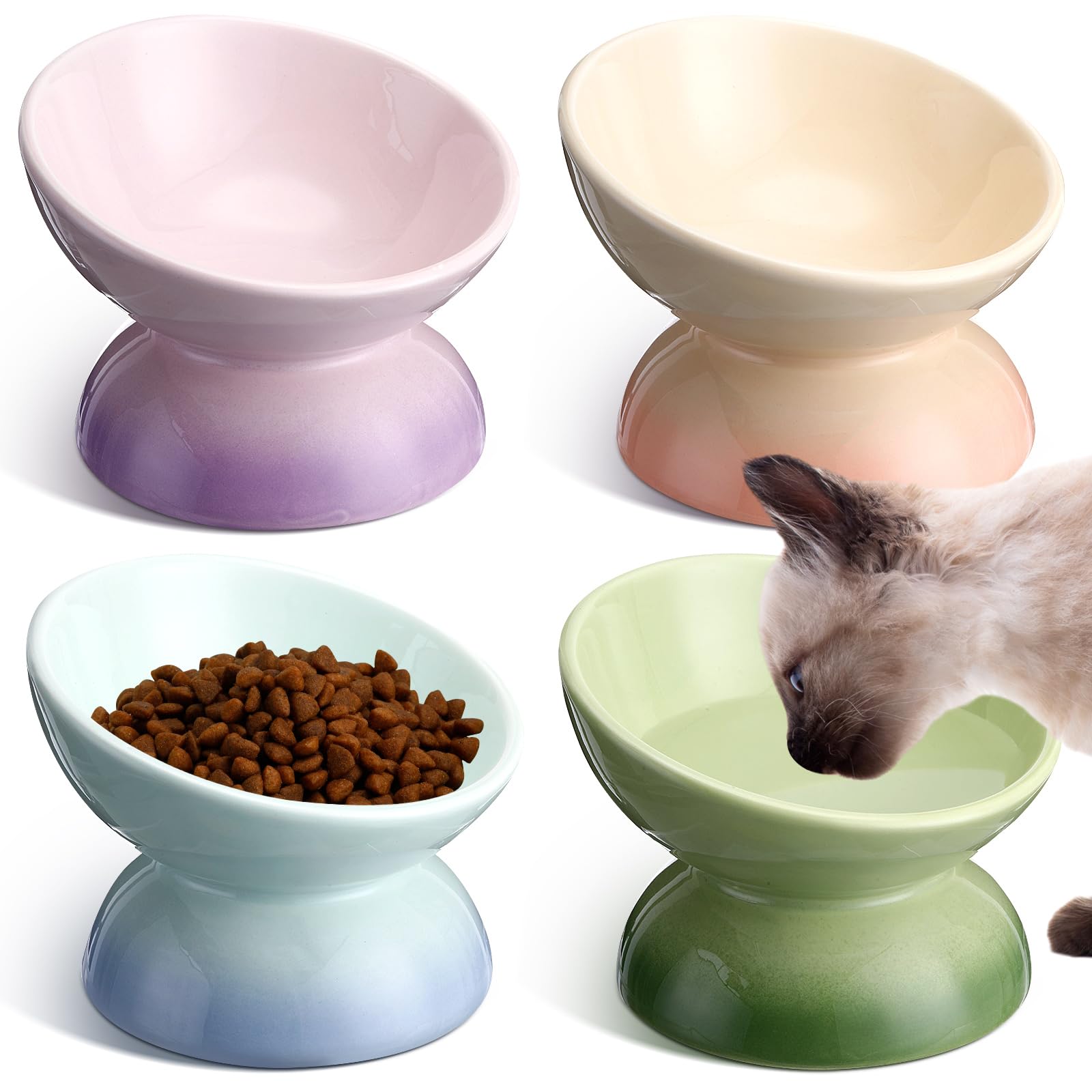
Bowls
You’ll need at least two: one for food, one for water. We use these, and they’ve worked well. A water fountain is also a nice upgrade. Wash everything thoroughly after each meal.
Toys & Play Stuff
No need for a huge cat tree yet. Start with small toys: wool mice, silent balls, fishing rod toys, and maybe a puzzle box. Nature shows on TV (birds, fish, etc.) can keep them entertained, too.
Thinking of a full play complex? Measure your space first. It should be sturdy, with tall posts and features like hammocks, ropes, or hanging toys to support healthy play and instincts. If your kitten isn’t interested at first, rub it with a little catnip—they often can’t resist!
We offer several options for picking up or delivering your kitten, depending on your location and preferences:
In-Person Pickup:
You are welcome to pick up your kitten directly from our location. This is the safest and least stressful option for your kitten, and it is our preferred method. We will schedule a pickup date and time that is convenient for you.
Ground Delivery:
Our ground delivery service is designed with your kitten's comfort and safety as the top priority. To minimize travel-related stress, we limit our delivery radius to 500 miles, with a maximum travel time of 12 hours.
A dedicated driver experienced in animal transport will care for your kitten throughout the journey. The kitten will travel in a climate-controlled vehicle and receive regular stops for cleaning, fresh water, and food.
To request a quote, please contact us by email.
The delivery fee will be calculated manually and confirmed upon approval of your reservation request.
Airport Delivery Option:
If in-person pickup or ground delivery is not feasible, we can arrange transportation to our nearest airport, O’Hare International Airport (ORD).
Delivery with Cat Nanny:
We offer delivery with a cat nanny both within the U.S. and abroad.
For shipping costs, please check with our couriers: Natalie 847.894.9506, Elvira 847.630.1568, Ava 305.915.8528 or Broken Bow (Kyle Stewart) 308.870.5587
Important: Final payment must be completed at least one week prior to the scheduled pickup or delivery date.
All available kittens are:
- Fully vaccinated
- De-wormed
- Optionally: Microchipped; Vaccinated against Rabies
- Registered with TICA
- Ready for their new homes with parents' pedigree and their genetic tests
We do not release any kitten until it has received at least two rounds of vaccinations for Panleukopenia, Feline Rhinotracheitis, and Calicivirus.
The health check report provided by our dedicated Veterinary Clinic is available for you.
We provide a one-year health guarantee against genetic diseases and guarantee that each kitten is in good health at the time of sale.
The kitten comes with a free insurance/ medical coverage of 30 days through Trupanion at no upfront cost and with a waived waiting period (must be activated before pick up or 24 hr after the day of pick-up).
Here’s what you’ll get:
Instant coverage — no waiting periods
No payout limits for the life of your pet
No upfront payment needed – You’re not charged until you choose to continue coverage
The health of our breeding cats is an essential part of our program.
All of our breeding parents undergo comprehensive DNA genetic screening through Orivet, including the breeder panel for hereditary conditions relevant to the Maine Coon breed. We use these results, together with health history and pedigree information, when planning our breeding pairs.
Our breeding cats also receive appropriate veterinary health evaluations as part of our breeding program.
Our kittens receive routine veterinary care appropriate for their age, including vaccinations and microchipping, before leaving our cattery.
Genetic testing of individual kittens is not included in the purchase price. Because our breeding parents are already genetically screened, additional testing of a kitten is generally not necessary as part of our standard placement process.
If a buyer would like any additional or specific testing performed on their kitten — genetic, laboratory, diagnostic, or otherwise — we are happy to accommodate reasonable requests whenever possible. Any buyer-requested testing beyond our standard veterinary care is performed at the buyer’s expense.
Our kittens may leave our cattery starting at 10 weeks of age — never earlier, with no exceptions.
Whenever possible, however, we prefer our kittens to stay with us until approximately 16 weeks of age.
Those additional few weeks make a real difference. By 16 weeks, kittens are more physically and emotionally mature, more independent, better socialized, and generally better prepared to handle the transition to a new home.
This policy is first and foremost for the benefit of you and your kitten. A slightly older, more confident kitten typically adjusts more easily and is better prepared for life with its new family.
10 weeks is our absolute minimum. Around 16 weeks is our preferred age for going home.
Bringing a new kitten into your home is a joyful experience—but it also comes with important responsibilities.
All of our kittens are sold with a spay/neuter requirement.
We require that your kitten be spayed or neutered between 7–8 months of age, and must not be used for breeding under any circumstances.
Spaying or neutering your kitten helps to:
- Prevent unwanted litters
- Improve behavior
- Reduce the risk of certain health issues
To ensure compliance, a SpaySecure agreement (www.SpaySecure.com) will be included in your contract.
We will provide the TICA registration certificate and/or pedigree only after we receive written confirmation from a licensed veterinarian that the procedure has been completed.
No.
If your kitten was sold as a pet and your contract states “Not for Breeding,” the kitten may not be bred — not even for one litter. This restriction remains with the cat regardless of any future change of ownership.
We do not support “just one litter,” accidental breeding, backyard breeding, or breeding simply for the experience of having kittens.
Our breeding program exists to preserve and improve the Maine Coon breed through thoughtful selection, health-conscious breeding decisions, careful pedigree planning, and responsible placement of every kitten we produce.
What About Breeding Rights?
Breeding rights are not available to the general public and are not an upgrade that can simply be purchased for an additional fee.
Everythingcoon considers breeding placements only for experienced, established breeders with a registered cattery, an existing breeding program, and a verifiable history and reputation as a responsible breeder.
If you are purchasing your first breeding cat, planning to start breeding with one pet female, or do not yet have an established breeding program, we do not offer breeding rights.
Every breeding placement is evaluated individually, and Everythingcoon reserves the right to decline a breeding-rights request at our discretion.
We also do not sell male kittens for outside stud service. Males with breeding rights are placed only within approved, established breeding programs.
If you are an experienced breeder and are interested in working with our lines, please contact us directly with information about your cattery, breeding history, current cats, and breeding goals.
Pet means pet. Breeding rights are reserved for approved professional breeding programs.
Breeding rights are available only to experienced, established breeders.
If you are considering becoming a breeder, purchasing your first breeding cat, or are just beginning to learn about breeding, we do not offer breeding rights.
Everythingcoon does not sell breeding rights as an “upgrade” to a pet kitten, and paying a higher purchase price does not automatically make a kitten available for breeding.
Our Breeding Rights Policy
We work only with breeders who already operate an established, registered cattery, have practical breeding experience, understand feline genetics and husbandry, maintain appropriate health-testing and veterinary protocols, and have a verifiable history and reputation within the breeding community.
In other words, we place breeding cats with breeders — we do not sell kittens to people who would like to become breeders.
This policy exists because our responsibility does not end with the kitten we place. A breeding cat may influence our bloodlines — and the Maine Coon breed — for generations.
For that reason, protecting our lines and choosing responsible breeding partners is far more important to us than making a sale.
What We Look for in a Breeding Program
Before considering a breeding placement, we may review:
- Registration with TICA, CFA, or another recognized feline organization under an established cattery name
- Breeding history and reputation
- Current breeding cats and pedigrees
- Health and genetic testing protocols
- Veterinary relationships and standards of care
- Knowledge of Maine Coon genetics, husbandry, reproduction, and kitten development
- Breeding goals and planned use of our bloodlines
- Housing, sanitation, quarantine, socialization, and animal-welfare practices
- Policies regarding kitten placement and retirement of breeding cats
We may also request breeder and/or veterinary references when appropriate.
Breeding Rights Are Limited and Individually Approved
Not every kitten in a litter is available for breeding.
Only selected kittens that we believe have the health, pedigree, temperament, structure, and overall quality appropriate for a breeding program may be considered.
Every breeding-rights placement is evaluated individually. Approval is never automatic, regardless of the applicant's willingness to pay.
Pricing for kittens offered with breeding or show rights is also determined individually on a case-by-case basis.
Important Restrictions
We do not sell male kittens for outside stud service. Males with breeding rights are placed only within approved breeding programs.
Additional restrictions regarding breeding, transfer of ownership, retirement, and breeding rights for offspring are specified in our Breeder Contract and may vary depending on the individual cat, pedigree, and breeding program.
Interested in Working With Our Lines?
If you are an established breeder interested in one of our Maine Coons, please contact us directly and introduce your cattery, your breeding history, the cats and bloodlines you currently work with, and your goals for the proposed breeding.
We are always happy to speak with responsible, experienced breeders when we believe our programs may be a good match.
Breeding rights are a privilege, not an entitlement. They are granted based on the breeding program — not simply on the willingness to pay.
No. Declawing is strictly prohibited under our Purchase Agreement.
Declawing is not simply the removal of a cat’s claws. It is a surgical amputation of the last bone of each toe and can result in chronic pain, altered gait, lameness, nerve damage, and long-term behavioral or mobility problems.
For these reasons, Everythingcoon does not permit declawing of any kitten or cat placed through our cattery.
Scratching is a normal and important feline behavior. With appropriate scratching surfaces and a little guidance, cats can easily learn where scratching is allowed.
As part of your Kitten Welcome Package, you will receive practical information on choosing appropriate scratchers, protecting furniture, trimming nails, and teaching your kitten good scratching habits.
Our goal is to help you manage natural feline behavior — not remove it.
Are Your Kittens Indoor-Only?
Yes. All Everythingcoon kittens are placed as indoor-only cats.
This requirement is included in our Purchase Agreement and exists for one simple reason: your cat’s safety.
Free-roaming outdoor cats face significantly greater risks from traffic, predators, other animals, infectious diseases, parasites, poisons, theft, and accidental injury.
Keeping your Maine Coon indoors provides a safer, more controlled environment and greatly reduces many preventable risks.
Does This Mean My Maine Coon Can Never Go Outside?
Not at all!
Many Maine Coons love outdoor adventures, and we absolutely support safe, supervised outdoor time.
Your cat may enjoy:
- Walking on a properly fitted harness and leash
- Spending time in a secure catio
- Relaxing in a fully enclosed porch or patio
- Traveling and exploring outdoors under direct supervision
What we do not permit is unsupervised free roaming.
Maine Coons are curious, intelligent, confident cats — qualities that make them wonderful companions but don't necessarily make them good judges of cars, coyotes, unfamiliar animals, or other outdoor dangers.
Indoor-only doesn't mean a boring life. It means giving your Maine Coon a safe one.
Absolutely. And the difference goes far beyond size and appearance.
Maine Coons have distinctive physical development, a much longer maturation period than many domestic cats, and — perhaps most importantly — an extraordinary personality that makes people fall in love with the breed.
Because of their size and developmental characteristics, we strongly recommend choosing a veterinarian who is familiar with Maine Coons and comfortable evaluating large-breed cats.
Growth & Development
Maine Coons mature slowly.
While many cats reach most of their adult size relatively quickly, a Maine Coon may continue developing physically for three to four years. Their body, chest, head, coat, and overall structure can change dramatically during this time.
Don't be concerned if your young Maine Coon doesn't yet look like the enormous adult cats you see online. Genetics, sex, bloodline, nutrition, and individual development all influence final size.
A two-year-old Maine Coon may still have a lot of growing and maturing to do.
Weight
Maine Coons are naturally large, substantial cats with heavy bone and long bodies, but there is no single “correct” Maine Coon weight.
Some healthy adults may reach or exceed 20 pounds, while others will be considerably smaller.
Body condition matters more than the number on the scale. A Maine Coon should not be encouraged to become overweight simply because the breed is known for being large.
Maine Coons may also have a noticeable primordial pouch — loose skin and tissue along the lower abdomen. This is normal feline anatomy and by itself does not mean that your cat is overweight.
Teeth & Gums
Kittens can experience gum inflammation while losing their baby teeth and developing their permanent teeth. The degree of inflammation varies considerably from one kitten to another.
If significant redness, swelling, discomfort, difficulty eating, excessive drooling, bad breath, or abnormal gum growth occurs, the kitten should be evaluated by a veterinarian.
Because several different oral conditions can look similar, we recommend obtaining a second opinion from a veterinarian experienced with feline dentistry before making an irreversible decision such as extracting multiple teeth from a young cat.
Teething-related inflammation and chronic feline oral disease are not automatically the same condition and should be evaluated carefully.
Heart Health
Heart murmurs can occasionally be detected in kittens and young cats. Some are innocent or temporary, while others require further investigation.
A murmur is not itself a diagnosis of Hypertrophic Cardiomyopathy (HCM).
HCM is an important health concern in the Maine Coon breed, which is why responsible breeding programs pay particular attention to cardiac health.
Our breeding parents undergo DNA genetic screening for known Maine Coon-associated hereditary conditions, including known HCM-associated variants, as part of our breeding program.
However, genetic testing is a screening tool — it does not rule out every possible cause of heart disease. If a veterinarian detects a persistent or significant murmur or another cardiac concern, further evaluation, including an echocardiogram with a veterinary cardiologist when appropriate, may be recommended.
And Then There Is the Personality...
This is where explaining the difference becomes difficult.
You really have to live with a Maine Coon to understand it.
There are countless wonderful domestic cats, but Maine Coons are famous for having an unusually interactive, social personality. They don't simply live in your house — they tend to become involved in your life.
They follow you.
They supervise you.
They wait outside doors.
They investigate groceries.
They “help” with whatever you are doing.
Many learn to fetch, recognize routines and words, greet their people at the door, and develop surprisingly complex ways of communicating with their families.
Often called the “dogs of the cat world,” Maine Coons tend to be intelligent, curious, confident, and highly social. Many live happily with other cats and cat-friendly dogs and form strong relationships with the people around them.
At the same time, they usually retain a wonderful feline independence. They don't necessarily need to sit in your lap every minute to be deeply attached to you. Often, simply being near you is enough.
They are companions in the true sense of the word.
You May Not Understand Until You Have One
People sometimes ask us what makes a Maine Coon so different from another cat.
It's surprisingly difficult to put into words.
You can describe the size, the enormous tail, the ears, the intelligence, the funny sounds, and the dog-like behavior — but none of that quite explains it.
Then you live with one.
And suddenly you understand why Maine Coon people joke that they're like potato chips:
It's very difficult to stop at one. ☺️
Many of our families eventually return for their second — and sometimes their third — Maine Coon.
That probably tells the story better than we ever could.
Your kitten receives a balanced diet that supports healthy growth and development.
- Dry food: our kittens grow on Purina lines of dry food:
Blue Buffalo for Kittens, Fancy Feast for kittens, Purina Pro Plan for kittens
Dry food has to be available to the kitten 24/7, along with fresh water.
- Can Wet Food
Blue Buffalo for Kittens, Fancy Feast for kittens, Purina Pro Plan for kittens
Offered twice a day — in the morning and evening.
- Raw Wet Food (Meat Mix)
Offered twice a day — in the morning and evening. The base of the diet is a natural homemade meat mixture. The basis of the diet (natural food): 60-70% - raw or frozen beef or mix of beef+non-fat pork+turkey (cut into pieces, not minced), 20-30% - offal (heart, liver, stomachs), 10% - cereals (oatmeal, rice) and vegetables.
Our recipe for the meat mix for Maine Coons:
Per 10 kg of ground meat mixture:
— Beef — 2 kg
— Chicken thighs or turkey meat or Non-fat, low-fat pork — 3 kg
Bone (approx. 20%):
— Chicken necks — 2 kg
— Chicken heads — 1–1.2 kg
Offal (Organs):
— Chicken hearts — 700 g
— Chicken gizzards — 600 g
— Pork kidneys (soaked) — 400 g
Plus a little carrot — 200 g
Grind the meat and organs in a meat grinder, chop with a knife, or process in a food processor. Grind everything to a proper texture—mince—don't make a mushy "puree."
Divide the mixture into portions and place them in zip‑lock bags.
Freeze for at least 3 days. Before serving: Thaw in the refrigerator. Warm to room temperature or slightly warmer.
Feed your kitten twice a day.
Important: 20% bone content is already at the upper limit; we always monitor their stool. If it becomes too dry or hard, reduce the bone content.
On this diet, my Maine Coons are in excellent shape: solid, with healthy coats and hearty appetites.
Dairy products: Kittens can be given cottage cheese or cheese. Whole milk should not be given, as it can cause gastrointestinal problems. However, goat's milk is an acceptable option.
Prohibited foods: Fatty pork, lamb, bones, smoked meats, sweets, and table scraps.
You can also treat your pet to peeled shrimp and other seafood, but they must be boiled and peeled first.
Eggs can also be included in the Maine Coon's diet, but in small doses and preferably quail eggs.
Boiled and raw vegetables can be added in small quantities to meat or fish.
Offal can be given, absolutely any, except for the lungs.
Pay special attention to the quality and freshness of food. Don't leave food in the bowl for more than half an hour after your pet eats, as it may spoil and cause food poisoning.
Transition Guide (Switching to a New Food)
A diet change should be gradual to prevent digestive issues.
7‑Day Transition Schedule:
Days 1–2: 75% current food + 25% new food
Days 3–4: 50% current food + 50% new food
Days 5–6: 25% current food + 75% new food
Day 7: 100% new food
If your kitten has a sensitive stomach, extend each stage by 1–2 days.
5 Types of People Who Should Consider Another Breed
Maine Coons have won the hearts of millions with their imposing appearance and good-natured temperament. However, this breed—like any other—has its own unique characteristics. Before bringing home such a giant, it is wise to realistically assess your capabilities.
Let’s examine the key aspects of care, lifestyle, and financial costs that are important to consider in advance.
1. Those Who Value Pristine Cleanliness and Minimalism
The Maine Coon is a prolific shedder, especially during shedding season. Daily grooming and regular house cleaning become mandatory rituals. If you are not prepared to tolerate the presence of cat hair on your clothes and furniture, this breed is not for you.
2. People with Very Hectic Schedules
These cats are social creatures and require regular interaction. Prolonged periods of solitude can lead to stress and destructive behavior. It is important for them to be involved in family life, to observe you, and to receive attention.
3. Those Expecting Modest Expenses
Owning a large cat comes with increased costs:
- A large litter box and more litter;
- Larger portions of high-quality food;
- Regular veterinary check-ups and preventive care, where many procedures (such as medication dosages) are calculated based on weight;
- A sturdy, heavy-duty scratching post and spacious carriers.
4. Residents of Small Living Spaces
A Maine Coon needs space to move around, play, and rest comfortably. In a cramped apartment, the cat may literally lack the physical room to stretch out or turn around, which will negatively impact its well-being and activity levels.
5. Those Looking for a "Couch Potato" Pet
Despite their calm demeanor, Maine Coons retain their playful nature throughout their entire lives. They require interactive play, mental stimulation, and opportunities to explore their territory. Such a pet will not be a passive observer.
The Maine Coon is a magnificent yet demanding breed. A responsible choice—one based on an understanding of all the nuances of ownership—will help avoid disappointment and ensure the cat enjoys a long, happy life in a family that is the right fit for it.